A common question that pregnant women Google these days is “how to get rid of stretch marks during pregnancy”. Stretch marks are part and parcel of pregnancy, just like morning sickness and diaper duty. While a growing belly might look magical, the stretch marks that are left behind can make you feel self-conscious.
You may have seen influencers or celebrities flaunting their stretch marks confidently on social media. Others use tips for fading those stubborn marks. If you are also struggling to embrace your “battle scars,” we’ve listed some effective tips from a renowned gynecologist in Airoli for removing stretch marks.
Can Stretch Marks Fade Completely?
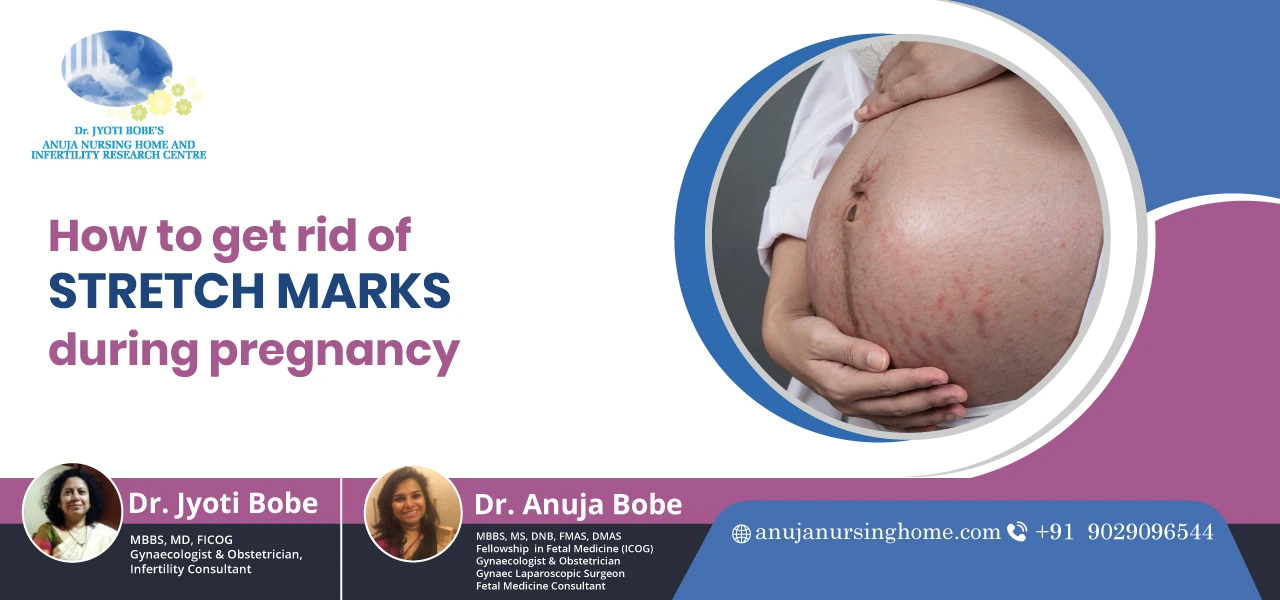
Stretch marks are not completely preventable. In fact, research shows that 90% of women are likely to develop stretch marks by their third trimester. They commonly appear on breasts, buttocks, belly, and thighs. These fine lines occur when your skin stretches too much, too quickly. This leads to tears in collagen and elastin, which result in pink, red, or white lines.
Unfortunately, stretch marks are permanent and may not disappear. That said, some can naturally fade over time. Others can become less noticeable with the right treatment. Here’s a look at the tips you can try to reduce stretch marks.
1. Keep Your Weight Levels in Check
While weight gain is normal during pregnancy, gaining too much weight too quickly can cause stretch marks, as your skin doesn’t get enough time to expand. You should rather focus on gradual weight gain under your doctor’s supervision. Visit a maternity hospital in Airoli to discuss the ideal weight during pregnancy, healthy meals, activity, and more. Limit your consumption of sugary, salty, and processed foods. Swap them for vegetables, fruits, whole grains, lean proteins, and healthy fats.
2. Moisturize Your Skin
To prevent stretch marks during pregnancy, you must keep your skin moisturized. Moisturization maintains skin elasticity. The flexibility allows your skin to stretch naturally when your belly grows, instead of tearing the deeper layers, making stretch marks less likely to form. Besides, moisturization helps prevent itchiness and keeps your skin smooth. You can try cocoa butter, coconut oil, olive oil, and doctor-approved moisturizers containing vitamin E, hyaluronic acid, centella asiatica (cica), or peptides.
3. Stay Hydrated
Hydration is as important for your skin as the rest of your body. It’s even more important during pregnancy. Make sure you have at least 8-10 glasses of water every day. You could also increase your fluid intake by introducing foods rich in water content to your diet, such as cucumbers, oranges, and watermelon.
4. Eat Skin-friendly Foods
The glow you see on the skin comes from within. Your diet helps keep your skin elastic, hydrated, and smooth, so that it stretches effortlessly without tearing. To prevent stretch marks, include more skin-friendly foods (rich in Vitamin C, Vitamin E, Zinc, and Protein) on your plate.
Conclusion
Stretch marks can be stubborn. While they are a beautiful sign of bringing a new life into the world, some women may find them aesthetically unappealing. With gentle care, regular moisturizing, a healthy diet, and proper hydration, you can get rid of stretch marks.