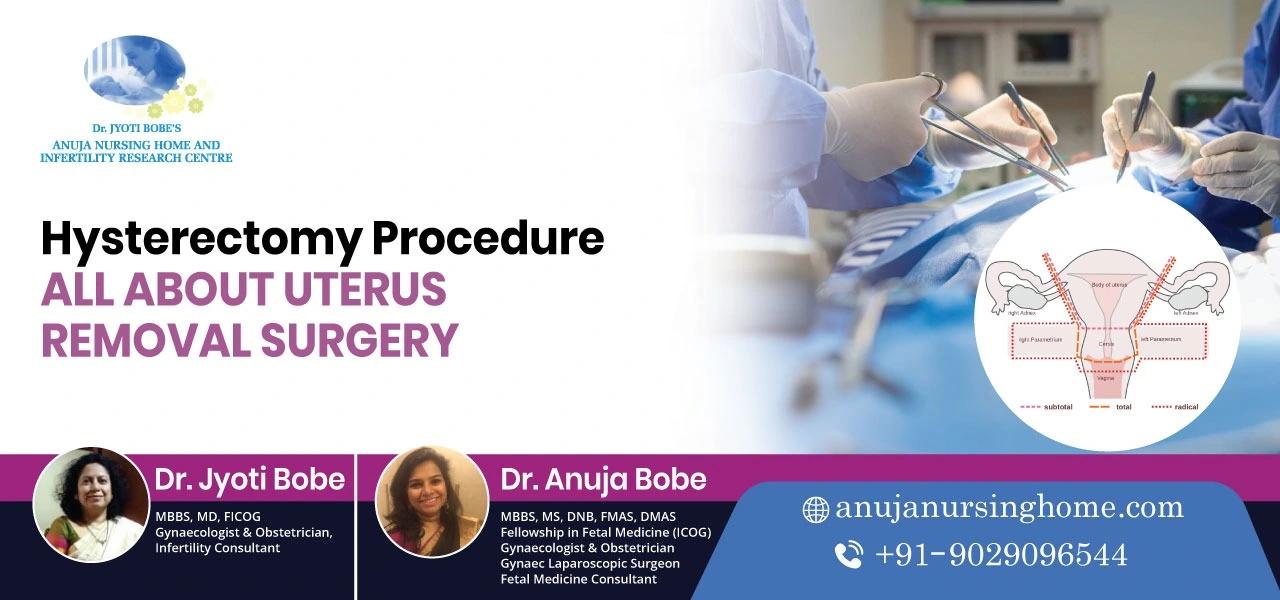
Hysterectomy – one of the most widely performed surgeries in the world — involves the uterus removal. A uterus is where a fetus grows during pregnancy. Although women of any age might need a hysterectomy, the surgery is more common in women aged 40-50 years.
Approximately 37-39% of women have had a hysterectomy by the time they turn 65. While uterus removal surgery in Airoli is quite prevalent, it does carry some risks, like other surgeries. That’s why you must know everything about hysterectomy, including the reasons it’s recommended, potential risks, and recovery if you’re considering it.
Reasons You May Need a Hysterectomy
Once the uterus is removed, you can no longer become pregnant. Plus, menstruation stops. Here’s when gynecologists consider hysterectomy:
1. You Have Fibroids
These non-cancerous growths in your womb may not always cause symptoms, but depending on their location, size, and number, they can be symptomatic. Some women with uterine fibroids experience prolonged and heavy bleeding, spotting, pelvic pain, and pressure.
Myomectomy is another surgery that removes fibroids and leaves the uterus in place. Fibroids can, however, recur after this surgery. This makes hysterectomy one of the most effective treatments for fibroids.
2. You Have Endometriosis
When endometrial tissues start growing outside the uterus, such as on the ovaries, fallopian tubes, in other parts of your pelvis, or sometimes outside the pelvis, hysterectomy may be considered.
It’s not the first-line treatment for endometriosis. But if symptoms are severe or affecting your quality of life, it’s worth considering. The surgery provides significant relief from constant pain and other symptoms. That said, hysterectomy isn’t a definitive cure for endometriosis.
3. Your Uterus Has Slipped into the Vagina
The weakened pelvic floor muscles can lead to uterine prolapse, a condition in which the uterus drops into the vagina. This causes uncomfortable symptoms, such as discomfort during sex or physical activities, a bulge felt down there, heaviness, pressure, and constipation.
A gynecologist in Airoli might suggest Kegel exercises or use a vaginal pessary initially. If nothing works or you have a severe prolapse, hysterectomy may be discussed.
Does Hysterectomy Remove All Reproductive Organs?
Women often wonder if hysterectomy means an end to their reproductive life. It’s partially correct. Without a uterus, childbirth isn’t possible. But not every case requires removing all female reproductive parts.
Ovaries and fallopian tubes are usually left intact, unless cancer is detected or you have a BRCA1 or BRCA2 gene mutation. In many cases, the surgeon removes both fallopian tubes, even if they appear healthy, since many ovarian cancers are believed to begin in these tubes.
How Long Does the Recovery Take?
It depends on the surgical technique. Abdominal hysterectomy, especially if performed with oophorectomy, might involve a long recovery period. You instantly enter menopause if both ovaries are removed.
For laparoscopic or vaginal hysterectomy procedures, the recovery period is relatively shorter than that of traditional surgery. Overall, it may take around 6 weeks for internal healing with laparoscopic hysterectomy and 6-8 weeks or longer for abdominal surgery.